

Planning a full home renovation is an exciting venture, but budget uncertainty can quickly become overwhelming. Homeowners frequently ask one central question before starting: how much will it cost to renovate a house? In 2026, the national average cost to renovate an entire home typically spans between $20,000 for light cosmetic updates to upwards of $200,000 or more for structural, full-gut remodels.
Most homeowners spend between $45,000 and $120,000 for a comprehensive mid-range home renovation. Your total expenditure depends primarily on square footage, material quality, layout alterations, and regional labor rates.
Understanding these variables allows you to plan realistic expectations, select suitable materials, and keep your project on schedule and within budget.
Average Cost to Renovate a House in 2026
To better understand potential costs, industry data shows clear ranges depending on the scope of work. Simple updates like painting and refinishing floors cost significantly less than altering load-bearing walls or upgrading ancient plumbing.
According to recent construction industry reports from the National Association of Home Builders, material costs and specialized labor remain primary price drivers for residential remodeling.
Renovation Cost Per Square Foot
Calculating costs per square foot provides a quick baseline for estimating your initial budget. On average, home renovation costs fall between $20 and $150 per square foot.
- Low-End ($20 – $50 per sq. ft.): Covers basic cosmetic updates, paint, carpet, and off-the-shelf fixture replacements.
- Mid-Range ($60 – $120 per sq. ft.): Covers mid-grade cabinetry, tile installation, upgraded appliances, and minor plumbing or electrical adjustments.
- High-End ($150 – $250+ per sq. ft.): Involves custom layouts, architectural adjustments, high-end materials, and complete mechanical overhauls.
For example, updating a 2,000-square-foot home at a mid-range standard usually ranges between $120,000 and $180,000, depending on structural conditions.
Room-by-Room Renovation Cost Breakdown
Different spaces in a home carry drastically different price tags. Wet zones like kitchens and bathrooms demand plumbing, specialized tiling, and electrical infrastructure, making them the most expensive spaces per square foot.
Kitchen Remodel ($25,000 – $75,000)
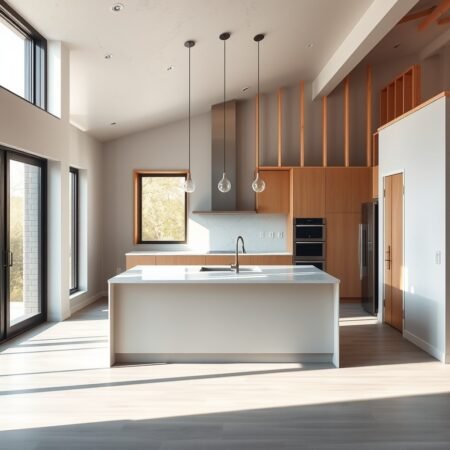
The kitchen is often the single most expensive room to update. Costs fluctuate based on cabinetry customization, countertop selection, and layout changes. Replacing appliances and installing custom stone counters pushed mid-range kitchen budgets toward $40,000.
Primary Bathroom Remodel ($15,000 – $35,000)
Bathroom remodels require intense plumbing and tile labor in tight quarters. Converting a traditional tub into a walk-in tile shower along with double vanities represents a large portion of this expense.
Living Rooms and Bedrooms ($5,000 – $15,000 per room)
Dry rooms remain far less expensive to upgrade. Costs generally cover new hardwood or luxury vinyl plank flooring, fresh drywall, lighting installation, and paint.
Exterior and Structural Upgrades ($10,000 – $30,000)
Exterior curb appeal directly impacts home equity. Replacing siding, putting on a new asphalt shingle roof, or building a deck contributes heavily to the total project total.
Data from the U.S. Census Bureau indicates that exterior improvements and energy-efficiency upgrades continue to represent major investment categories for American property owners.
Key Factors Impacting Your Remodeling Budget
No two renovation projects cost identical amounts. Understanding the variables helps prevent unexpected financial surprises.
Labor and Trade Requirements
Labor typically accounts for 40% to 60% of your total renovation invoice. Skilled trades like licensed electricians, plumbers, and HVAC technicians command higher hourly rates, often between $75 and $150 per hour.
Location and Permitting
Urban regions with high costs of living inevitably experience higher contractor fees. Municipal permit fees can also add $500 to $3,000 to your budget depending on local zoning requirements.
Age and Structural Condition
Older homes built prior to 1980 often conceal hidden expenses like outdated wiring, knob-and-tube electrical setups, galvanized pipes, or hazardous materials like lead paint and asbestos.
Hidden Costs Homeowners Often Forget
Many remodeling budgets fail because owners ignore soft costs. Ensure your planning accounts for these frequently overlooked items:
- Permit and Inspection Fees: City compliance checks are required for structural, plumbing, and electrical work.
- Temporary Housing: Gut renovations may force you to rent an apartment or stay in a hotel during construction.
- Dumpster and Debris Removal: Hauling away old materials can cost anywhere from $500 to $2,000.
- Design and Architectural Fees: Professional blueprints usually cost 5% to 15% of your total budget.
- Contingency Fund: Setting aside a 15% to 20% cushion is crucial for unexpected behind-the-wall surprises.
Smart Ways to Save Money on Your Remodel
Renovating efficiently requires strategic financial decisions without sacrificing quality.
- Keep Existing Layouts: Avoid moving plumbing stacks, main drains, or gas lines whenever possible.
- Mix High and Low Finishes: Pair high-end quartz countertops with standard off-the-shelf subway tile backsplashes.
- Handle Demolition Yourself: Removing old carpet, cabinets, and trim manually can save hundreds in labor costs.
- Refinish Instead of Replacing: Cabinet refacing or hardwood floor refinishing costs a fraction of buying brand-new materials.
Refinancing or securing competitive loan terms can keep interest costs manageable. Resources provided by the Consumer Financial Protection Bureau offer clear guidance on evaluating home equity loans and lines of credit for major home improvements.
How to Get Started
Before hiring contractors, define a clear scope of work and obtain at least three detailed bids. Review every line item carefully, confirm licensing and insurance, and maintain open communication. A well-planned budget protects your wallet and turns your house into a dream home.

Other Articles
What to Do When Moving Into a New House: Complete Checklist



No Comment! Be the first one.